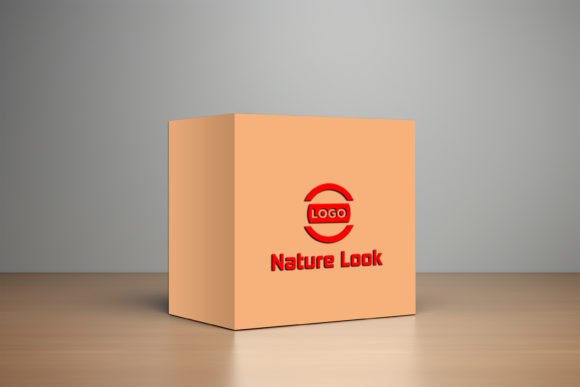
Carton Box Logo Mockup: Realistic Branding Made Simple
A carton box logo mockup bridges the gap between a flat digital logo and a tangible brand experience. Instead of guessing how a design will look on physical packaging, you get to see it in a realistic, high-resolution setting. The specific Carton Box Logo Mockup file we’re exploring delivers that clarity with a 5600x3733 pixel canvas at 300 DPI, giving you print-ready sharpness and plenty of room to zoom, crop, or recompose your visuals. Built as a fully layered PSD with smart objects, it respects your time and creative process.
What sets this resource apart is its practical simplicity. You don’t need advanced 3D software or complex rendering skills. Double-click a smart object layer, place your artwork, save, and the mockup automatically adapts with realistic lighting, subtle shadows, and accurate perspective. For designers, marketers, and business owners who need quick but polished brand presentations, that kind of efficiency is invaluable. The included help file removes guesswork, making the tool genuinely beginner-friendly while still offering enough depth for experienced pros.
Why a High-Resolution Carton Box Mockup Matters
When you present a logo or packaging design, every pixel counts. Low-resolution mockups can undermine even the best artwork by making edges soft or shadows pixelated. Here, the 300 DPI resolution guarantees that whether you show your work on a high-definition screen, print it for a portfolio, or zoom in for a detailed client review, the result stays crisp. The generous 5600x3733 dimensions also mean you have the freedom to isolate a portion of the scene—like a close-up of the logo on the box flap—without losing visual quality.
A carton box is a universal packaging icon, but seeing your specific brand on it suddenly makes it personal and project-ready. The mockup’s realistic paper texture, subtle crease details, and environment lighting ground your design in the real world. This not only helps you evaluate logo legibility at different sizes but also lets your audience imagine holding the product. Whether it’s a subscription box, a premium gift package, or retail-ready shelf packaging, the context changes perception—and a high-quality mockup makes that context convincing.
Creative Applications Across Industries
One of the most practical aspects of a versatile box mockup is how easily different professionals can adapt it to their own goals. Because the .psd file is fully layered and every element is separate—from the box body and flaps to the background and shadows—you have complete control to tweak, hide, or replace parts without affecting the rest of the scene.
For Brand Identity Designers
Present logo explorations in a context that clients instantly understand. Instead of sending a flat PDF, embed the logo onto the carton box and place it next to a color palette card or stationery. This elevates a simple brand proposal into a cohesive visual pitch. You can easily change the box color to test how the logo works on light versus dark kraft material, or add subtle branded patterns to the cardboard texture for a custom look.
For Small Business Owners and E-commerce Sellers
Product photos are everything online. Use the mockup to create listing images that show your packaging even before you order a physical batch. This is especially helpful when testing multiple design directions or when you need seasonal branding updates without a full photo shoot. The isolated box option in the smart object layers allows you to drop in a clean white or colored background suitable for platforms like Etsy, Amazon, or your own site.
For Marketing Teams and Content Creators
Visuals drive engagement. A carton box carrying your logo becomes a flexible asset for social media posts, email newsletters, and blog headers. You can photograph the mockup scene virtually, adding lifestyle elements later. Because the file is so editable, you can reuse the same base mockup for different campaigns by swapping the artwork in seconds, keeping brand consistency while tailoring the message to promotions, new launches, or seasonal themes.
Easy Customization That Keeps Quality Intact
The phrase “smart object” appears often in product descriptions, but here it genuinely streamlines your workflow. After loading the .psd into Photoshop, every change you make is non-destructive. That means you can experiment freely: try a bold monogram, a colorful illustration, or a minimalist logotype. Each version stays sharp because the embedded artwork retains its original vector or high-res raster data. The mockup’s layered structure also allows you to adjust the intensity of shadows, the direction of light, and even the box’s material finish to match matte, semi-gloss, or recycled cardboard vibes.
Bonus: the included .jpeg file serves as a quick reference, and the Help File gives you plain-language instructions. If you’re handing the file off to a team member who isn’t as comfortable with Photoshop, they can still follow the steps without constant support.
Design Variations and Styling Ideas
Flexibility reveals itself in how many different looks you can pull from a single mockup. Starting with the base carton box, you can explore styles that align with distinct brand personalities:
- Minimalist and modern: Keep the box white or neutral, let the logo sit with generous breathing room. Perfect for tech, skincare, or boutique brands that value simplicity.
- Playful and vibrant: Recolor the cardboard to a bold brand hue, add a pattern overlay, and place a whimsical logo mark. Ideal for children’s products, bakeries, or craft kits.
- Industrial and raw: Use the default kraft texture, amplify the shadow contrast, and opt for a stamped or distressed logo effect. This suits coffee roasters, handmade goods, or sustainable brands.
- Seasonal or limited edition: Overlay subtle festive elements on the box (think snowflake patterns or autumn leaves) while keeping the primary logo prominent. You can also change the background to a seasonal setting without losing the box’s realism.
Because the mockup separates the box panels, you can even design different information hierarchies: a large front-facing logo, a secondary mark on the side, and handling instructions or social handles on the top flap. This mirrors how a real carton box is viewed from multiple angles, and presenting all sides in a client brief shows thorough thinking.
Practical Tips for Consistent, Audience-Friendly Results
When you prioritize clarity and organization, you get repeatable results. Here are a few practices that keep your mockup work efficient and professional:
- Set up a folder structure. Keep the original .psd unchanged. Duplicate it for each project or version, naming files clearly (e.g., “BrandX_CartonBox_v1.psd”). This protects the master file from accidental overwrites.
- Use guides and alignment. Even in a 3D-angled mockup, your logo placement should feel intentional. The smart object panel often includes guidelines; respect them, but don’t be afraid to centrally align the logo for symmetry or intentionally offset it for dynamic balance.
- Match resolution to output. For web, you can resize the final exported image to 1920px wide while keeping the 300 PPI source file intact. For print portfolios, leave the resolution unaltered to maintain sharpness.
- Stay consistent across a series. When presenting multiple packaging concepts, use the same mockup angle and lighting setup. This reduces visual distraction and lets the audience focus on design differences.
From Concept to Client Presentation: A Workflow That Wins Trust
Imagine you’re pitching rebranding for a local subscription service. Instead of showing a logo on a plain white slide, you open the carton box mockup. In under five minutes, you’ve placed the new logo on a warm-toned box, added a secondary pattern to the side, and set a scene that reflects the unboxing experience. The client doesn’t just see a symbol—they envision their product arriving on doorsteps. That emotional connection can be the deciding factor in approval.
The key is that the mockup does the heavy lifting without stretching the truth. Its realistic shadows and textures aren’t trickery; they’re a simulation of what a well-printed box actually looks like. When combined with a thoughtful logo, the result feels genuine. And because the file supports full customization, you can later adjust the box color to match the exact Pantone the client chooses, or tweak the lighting to better match their product photography style. No need to go back to square one.
Keeping the Work Original and On-Brand
A common worry with mockups is that they can make designs feel generic. Mitigate that by treating the carton box as a stage, not a one-size-fits-all template. The background layer is customizable, so you can replace it with a photo of a wooden table, a clean studio sweep, or a contextual environment that reinforces the brand’s story. Adjust the box’s highlight opacity to bring attention to a metallic foil logo effect, or lower the shadow depth to create a softer, airier presentation.
If you’re creating assets for multiple platforms, use the high-resolution source to crop differently for each. A square crop for Instagram can focus tightly on the logo, while a wider landscape crop for a website banner can show the full box in its environment. This strategy saves hours of re-rendering and ensures that the visual language remains cohesive.
Long-Term Value for Growing Brands
As your brand or your clients’ brands evolve, so do their packaging needs. Having a dependable, easy-to-edit carton box mockup in your toolkit means you’re always ready to demonstrate changes. Seasonal refreshes, product line extensions, or even a complete visual identity shift can be communicated clearly without scheduling a new photo shoot. The Carton Box Logo Mockup, with its 300 DPI fidelity and intelligent layering, becomes a durable asset rather than a one-time download.
Moreover, for design educators and content creators, this file serves as a teaching tool. You can demonstrate the principles of packaging design, logo placement, and color theory using a real-world-ready example. The fully layered structure lets you peel back the parts to explain shadows, highlights, and perspective—making abstract concepts concrete.
Ultimately, a well-chosen mockup does more than display a logo. It frames the conversation around how a brand lives in the physical world. By focusing on clear, high-quality presentation and giving you the controls to adapt every detail, this resource helps you communicate ideas with confidence, whether you’re in a solo freelance studio or part of a larger creative team.