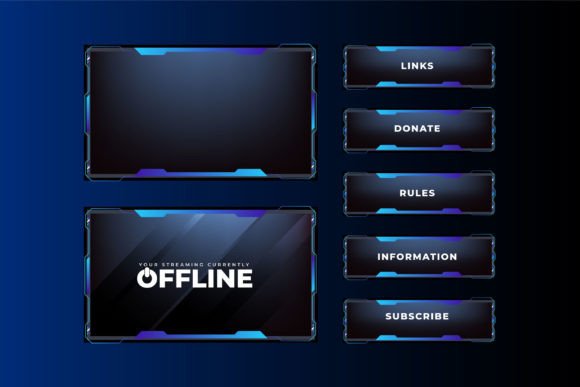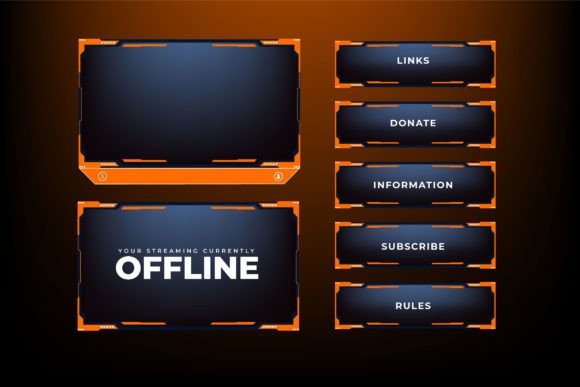
The Future of Your Broadcast: Streaming Overlay Screen Frame Vector Design
In the crowded arena of online streaming, your visual presentation is your first and most powerful impression. It's the digital stage where you perform, teach, sell, or connect. While your content is paramount, the frame around it—the interface your audience sees—can elevate professionalism, enhance clarity, and solidify your brand identity. This is where a high-quality streaming overlay screen frame vector becomes an indispensable tool for modern creators.
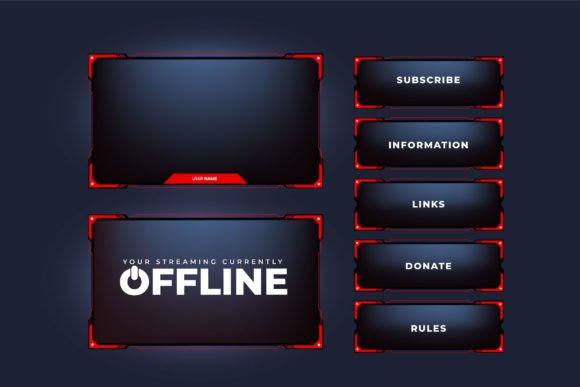
Simply put, a streaming overlay is the graphical layer you add to your live video feed. It contains elements like borders for your camera feed, designated areas for alerts or chat, and decorative shapes that define your screen's layout. The term "vector" refers to the specific file format. Unlike a standard JPG or PNG image, a vector file is built from mathematical paths and points. This means it's infinitely scalable; you can resize it to any dimension without ever losing quality or suffering from pixelation. This technical strength is a practical godsend for streamers who might broadcast at different resolutions or need to adapt their overlay for various platforms and screen layouts.
Key Characteristics of a Professional Streaming Overlay Vector
When evaluating a streaming overlay screen frame vector, several qualities separate a generic template from a professional asset. First is editability. A true vector file, provided in formats like AI or EPS, allows you to open it in applications like Adobe Illustrator and modify every single element. You can change colors—perhaps shifting that striking orange accent to match your brand's blue—adjust shapes, reposition components, or even integrate your own logo seamlessly. This level of control is essential for personalization.
Another notable characteristic is compositional design. A well-made overlay, such as one featuring futuristic creative shapes and a dark color base with orange highlights, isn't just decoration; it's a functional interface. It thoughtfully zones the screen, creating visual hierarchy. Your facecam area is cleanly framed, space for game footage is prioritized, and informational widgets are placed where they are legible but not intrusive. This intelligent design reduces visual clutter for your viewers, directing their attention to where you want it.
Practical Applications Beyond Gaming
While often associated with gaming streams, the utility of a versatile overlay vector extends far into other professional and creative environments. Entrepreneurs hosting live product launches or Q&A sessions use overlays to brand the broadcast and neatly display key information or social handles. Educators and trainers employ them to frame their presentation slides or tutorial videos, making the learning interface more engaging and structured. Marketers running live webinars integrate overlays to highlight calls-to-action, sponsor messages, or real-time poll results.
Even for personal use, a polished overlay can transform a casual hobby stream into a more cohesive experience for your community. The common thread across all these applications is the need for a consistent, branded, and clean visual presentation that supports the primary content rather than competing with it. A streaming overlay screen frame vector provides the structural canvas to achieve that.
Benefits: Usability, Branding, and Viewer Engagement
The decision to invest in a quality overlay design yields tangible benefits. For you as the streamer, the primary benefit is usability and efficiency. A pre-designed, editable vector file saves immense time compared to building an overlay from scratch, especially if graphic design isn't your core skill. It offers a robust starting point you can adapt quickly. This efficiency translates directly into productivity, allowing you to focus on content preparation rather than graphic troubleshooting.
For your audience, the benefit is enhanced user experience and communication. A clean, well-organized screen is easier to watch. Information is communicated clearly, and the overall aesthetic appears more professional and trustworthy. This professionalism fosters stronger branding. Every time you go live, your customized overlay reinforces your visual identity, making your channel more memorable and distinct in a viewer's mind. Consistent branding builds recognition, which can be crucial for creators looking to grow their community or commercialize their channel.
Finally, a dynamic overlay can directly boost engagement. Elements designed into the frame can highlight subscriber alerts, recent followers, or event milestones, making the audience feel recognized and part of the live event. The visual polish itself signals a level of commitment and quality that encourages viewers to stay longer and participate more actively.
Selecting and Implementing Your Overlay Vector
When selecting a design, consider both aesthetic alignment and functional flexibility. Does the style—for example, a futuristic theme with angular orange shapes—match the tone of your content? More importantly, does the layout accommodate your typical broadcast needs? Look for designs that offer a logical arrangement for your camera, main content, and any supplemental panels you require.
Upon receiving your files, typically in a compressed ZIP archive, you'll extract them using standard software like WinRAR or your operating system's built-in tool. Inside, you should find both the vector source file (for editing) and a high-resolution JPG (for quick reference or use in simpler software). The crucial step is modification. Open the vector file in your editing application. Here, you can personalize colors, fonts, and placements. This is where you make the overlay uniquely yours. If you encounter technical issues during editing, reaching out to the designer, as noted in the provided message, is a wise and practical step. Most digital store creators are willing to assist with file compatibility questions.
Implementation involves adding the finished overlay image to your streaming software (OBS Studio, Streamlabs, etc.) as a layer. Position it correctly over your video sources. The advantage of a vector-based design is that if you need to adjust the size later for a new platform or screen resolution, you can simply re-edit the source file, scale it perfectly, and export a new version without any loss of fidelity.
A professional streaming overlay screen frame vector is more than just a graphic; it's a foundational piece of your broadcast's production value. It merges the technical advantage of scalable, editable vector art with the practical need for structured, branded, and engaging visual communication. By choosing a design that fits your vision and adapting it to your precise requirements, you build a stronger, more professional, and more recognizable stage for everything you share live with the world.