The Ultimate Guide to Leveraging a Cowboy Mascot Logo
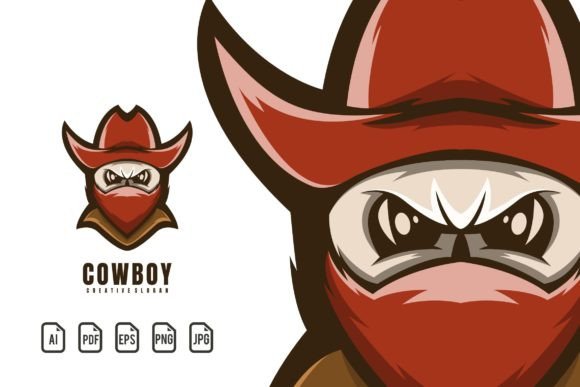
In the vast landscape of digital branding, a mascot can serve as a powerful anchor. A Cowboy Mascot Logo isn’t just an illustration; it’s a character that embodies rugged individualism, adventure, and a spirit of competition. This type of logo template appeals to a wide audience, from esports teams seeking a gritty persona to apparel brands wanting to tap into western Americana, or game developers crafting a memorable protagonist. When you find a template labeled as suitable for your design needs, game character, cowboy theme poster, gaming, sport logo, and apparel, it promises versatility. The critical detail, often glossed over in excitement, is understanding what true versatility means and how to harness it without compromising quality.
Overlooking the "Editable" Promise
Many designers and entrepreneurs see the word "editable" and assume a seamless process. However, a common mistake is equating editability with simplicity. A template featuring 100 scalable vector files in formats like AI, PDF, EPS, PNG, and JPG is a robust toolkit, not a magic wand. Beginners often download the file, open it in unfamiliar software, and attempt changes without first understanding the structure. This can lead to frustration: layers might be locked or grouped in complex ways, color palettes might be embedded in unexpected spots, and the provided font information requires a separate download.
The practical effect is wasted time and potential damage to the design file. Instead, approach the template with a methodical plan. Before any editing, inspect the file in your vector software (like Adobe Illustrator). Locate the layer groups, identify the core mascot illustration, and separate the text elements. The help file mentioning font download is crucial—don’t substitute with a random system font. Downloading the specified font and installing it ensures typographic cohesion, allowing you to change the text to any name you want while maintaining the original’s aesthetic integrity.
Misjudging Scalability and Quality
The features "100 Scalable Vector" and "Excellent Quality" are interconnected. A significant misunderstanding is assuming that scaling a logo for different uses—from a tiny app icon to a large sport logo banner—is just a matter of dragging corners. While vector graphics inherently scale without pixelation, poor editing practices can degrade quality. For instance, if you rasterize vector elements (convert them to pixel-based images) during your edits to apply quick filters, you permanently lose that scalability. The result is a logo that looks crisp on a business card but blurry on a poster.
To avoid this, always work within the vector environment. Use the software's native tools to edit colors and shapes. When you need to output for specific uses, export directly from the vector file to the required size and format (PNG for web, PDF for print). This preserves the excellent quality across all applications. Remember, the template’s value lies in its core vector data; treat it as the master file from which all derivatives are born.
The Pitfall of Color and Theme Inconsistency
With an easy-to-edit color text and overall design, the temptation is to radically alter the palette to fit a personal vision. For a cowboy mascot, certain colors carry thematic weight. Switching a classic earthy, leather-and-denim scheme to neon pink and green might create a disjointed identity if your target is a cowboy-themed poster or gaming community. The mistake here is divorcing the editable capability from the mascot’s inherent character, which can confuse your audience and dilute brand messaging.
A better approach is to use the editable color functionality to refine and harmonize, not reinvent. Adjust shades to better match your existing brand colors, or enhance contrasts for improved visibility on apparel embroidery. Test your color variations in context: how does the logo look on a dark gaming background? How does it appear when printed on a t-shirt? This thoughtful application ensures the cowboy mascot remains recognizable and effective across its intended uses—game character, sport logo, apparel—without losing its soul.
Failing to Plan for Application Diversity
The template is marketed for multiple applications, but users frequently underutilize this. They might apply the logo to a website and consider the job done, overlooking its potential for a dynamic game character sprite or a detailed sport logo patch. Each application has unique technical requirements. A logo for an animated game character might need separated limbs or expression variants, which a single static vector file may not provide. A sport logo for embroidery requires simplified lines and solid color areas.
Before you begin editing, define all intended uses. Examine the vector file to see if the cowboy mascot is built in a way that supports these needs. Can you isolate the head for a profile icon? Are the outlines clean enough for apparel screen printing? If the template includes multiple file formats (like EPS for professional print, PNG for quick digital use), use each one deliberately. This pre-editing audit maximizes your return on the template and prevents last-minute, rushed adaptations that harm the final presentation.
Neglecting the Integration with Brand Story
A powerful mascot logo, especially one with a strong theme like a cowboy, should tell a story. A common oversight is treating the logo as a mere graphic to be slapped onto products. For entrepreneurs and marketers, this misses a key branding opportunity. The cowboy mascot isn't just a symbol; it can represent your team's tenacity, your brand's pioneering spirit, or your game’s narrative. Simply changing the text to your company name without considering the mascot’s posture, expression, and style can create a bland, disconnected asset.
Integrate the logo thoughtfully. If your brand is about modern gaming, perhaps edit the cowboy’s gear to include subtle digital elements while keeping the core western vibe. For a sports team, emphasize the mascot’s competitive stance. Use the editable features to make these nuanced tweaks, ensuring every element—from the hat shape to the font weight on the accompanying text—aligns with the broader message you want to communicate. This turns a generic template into a unique, resonant brand identity.
Ultimately, a Cowboy Mascot Logo template offers a fantastic foundation. By understanding its true editable nature, respecting its scalable quality, applying colors with thematic awareness, planning for diverse uses, and integrating it into a larger brand story, you transform a downloadable asset into a cornerstone of your visual identity. It moves from being just a suitable design to becoming an indispensable part of your gaming, sport, or apparel project’s success.