The Digital Battlefield: Understanding Video Game Addiction in Kids and Teenagers
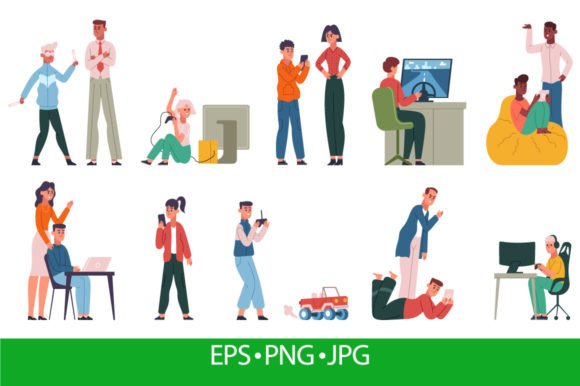
In millions of households, a familiar scene unfolds: a teenager glued to a glowing screen, headphones blocking out the world, while frustrated parents stand at the door, their requests for family time or homework completion met with silence or anger. This video game addiction family quarrel vector illustration is not just a hypothetical image; it’s a daily reality for many. The issue of video games addiction, kids or teenagers is a complex modern challenge, intertwining technology, psychology, and family dynamics.
What Is Video Game Addiction, Really?
Contrary to common parental frustration, video game addiction isn’t simply spending a lot of time playing. It is a behavioral pattern characterized by an excessive or compulsive use of video games, to the point where gaming takes priority over other life interests and daily activities, despite negative consequences. For kids or teenagers gamers, this can manifest as a loss of control over gaming habits, using games to escape negative moods, and continued excessive use despite conflicts with family or declining school performance. It’s the “addiction” part that transforms a hobby into a disruptive force.
Recognizing the Signs: Beyond the Screen Time
Angry, disgruntled parents often focus on the hours logged, but the characteristics of addiction are more nuanced. Key signs include:
- Preoccupation: Constant thinking about gaming, past sessions, or planning the next play.
- Tolerance: The need to spend increasing amounts of time gaming to feel satisfied.
- Withdrawal: Irritability, anxiety, or sadness when unable to play.
- Loss of Interest: Former hobbies, sports, and social activities (outside online gaming) fall away.
- Continued Use Despite Problems: Playing despite knowing it fuels family quarrels or hurts grades.
- Deception: lying to parents about the amount or nature of gaming.
- Risking Significant Relationships: The video game addiction family quarrel becomes a regular, damaging event.
This pattern moves beyond the kids gadget addiction issue seen with general phone use; it’s a specific, immersive, and often socially integrated compulsion.
Why It Happens: The Value and Pull of the Digital World
To understand video games addiction, kids or teenagers, one must understand the value games provide to the young user. Games are engineered to deliver mastery, achievement, social belonging, and escape. For a teenager struggling with school stress or social anxiety, a game world offers clear goals, instant feedback, and a curated social circle. The features of many modern games—persistent worlds, daily rewards, team-based objectives—are designed to encourage regular engagement. This isn’t a passive boy teenager gaming jpg image; it’s an active, rewarding experience that can fill unmet needs in a young person’s life.
The Family Impact: Where the Conflict Brews
The addiction manifests most visibly in the home. The video game addiction family quarrel often stems from a fundamental clash of perspectives. Parents see a child neglecting responsibilities, health, and real-world connections. The child or teenager feels controlled, misunderstood, and cut off from their primary source of enjoyment and community. This clash isn’t just about rules; it’s about perceived values. The parent views gaming as a frivolous distraction, while the teen may see it as a crucial part of their identity and social life. Without addressing this disconnect, attempts at limitation only escalate conflict.
Who Benefits from Understanding This Issue?
Addressing video games addiction, kids or teenagers effectively requires a coalition.
- Parents & Families: Gain tools for constructive intervention, replacing quarrels with communication.
- Educators & Counselors: Identify struggling students and provide resources beyond the school walls.
- Healthcare Professionals: Recognize the behavioral and mental health components for proper diagnosis and therapy.
- The Teenagers & Kids Gamers Themselves: With guidance, they can learn to self-regulate and find balance, benefiting their own well-being.
- Content Creators & Business Owners in the gaming industry: Understand the societal impact of their products and consider ethical design.
Practical Expectations and Considerations for Families
For a disgruntled parent hoping for a quick fix, the limitations of simple solutions must be understood. You cannot “delete” the problem like a file. Gaming is often deeply woven into a teen’s social fabric. Sudden, punitive removal can lead to intense withdrawal, resentment, and social isolation. The practical expectation is a gradual, negotiated process focused on balance, not abstinence. This involves:
- Open Dialogue: Discuss gaming’s role in their life without immediate judgment.
- Collaborative Rule-Setting: Involve the teen in creating fair schedules that protect sleep, homework, and family time.
- Exploring Alternatives: Help fill the time and social needs gaming addressed with other activities.
- Professional Support: If addiction signs are strong, seek therapists specializing in behavioral addictions.
Real-World Scenarios: From Vector Illustration to Living Room
Consider a 14-year-old boy, the subject of a typical boy teenager gaming png concept image. In reality, he plays a popular online team game nightly. His parents see dropping grades and nightly arguments. Applying the above framework, they first talk to him about why the game is important (his friends are there, he feels skilled). They agree on no gaming before homework is done, and a hard stop at 10 PM on school nights to protect sleep. They encourage him to invite his online friends to a real-world movie outing. The video game addiction family quarrel diminishes because the approach addresses the cause, not just the symptom.
Evaluating Suitability of Interventions
Not every child who games heavily is addicted. Guidance on evaluating suitability for intervention starts with the severity checklist. Is gaming causing significant harm to health, relationships, or education? Is the child unable to stop despite wanting to? If the answers are no, the issue may be overuse or poor habits, requiring different strategies than full addiction treatment. The key is to assess objectively, separating parental frustration from clinical reality.
The Strengths of a Balanced Approach
Gaming itself isn’t inherently evil. When managed, it can offer strengths: problem-solving, teamwork, and even stress relief. The goal for families grappling with video games addiction, kids or teenagers is to harness these positives while mitigating the harms. This balanced view prevents demonizing the hobby, which only increases teen resistance. It acknowledges the features of gaming that are attractive while firmly upholding the need for a healthy, multi-faceted life.
Ultimately, navigating video games addiction, kids or teenagers requires moving beyond the static image of a video game addiction family quarrel vector illustration set. It demands seeing the dynamic human emotions behind it: the teen’s need for connection and achievement, and the parent’s fear and concern. By focusing on understanding, clear communication, and collaborative solutions, families can transform the digital battlefield into a space for negotiated peace and healthier habits for everyone involved.