The Power of Illustration: Analyzing the A Person Playing on Laptop Vector
In digital design, a compelling illustration can convey concepts, evoke emotion, and anchor a brand's visual identity. One such asset, often titled A Person Playing on Laptop, is more than a simple graphic. It represents a modern archetype: the individual immersed in a digital world, whether for work, creativity, or entertainment. This vector design captures a moment of focused engagement, a universal scene increasingly relevant in our connected lives.
Understanding the Asset’s Core Value
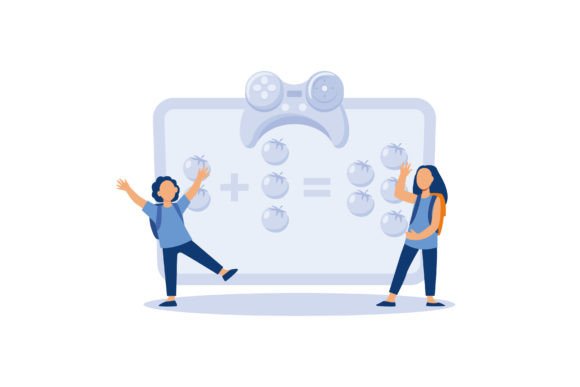
At its essence, A Person Playing on Laptop is a pre-made digital illustration, typically available in vector file formats like SVG, AI, or EPS. This means it comprises mathematical paths and points rather than pixels, allowing for infinite scaling without loss of quality. The scene usually depicts a stylized character, often in a relaxed or enthusiastic pose, interacting with a laptop screen that radiates light or displays abstract, imaginative elements.
The practical value lies in its immediate utility. For a professional needing to visually communicate themes of gaming, digital creation, remote work, tech enthusiasm, or online learning, this vector provides a ready-made solution. Its strength is not uniqueness in subject—the motif is common—but in the specific execution, style, and licensing clarity offered by platforms like Creative Fabrica.
Key Characteristics and Application Flexibility
A well-executed version of this illustration will possess several key traits. The character design is often gender-neutral or customizable, with a clean, contemporary aesthetic. The laptop and the emanating digital imagery are the focal points, symbolizing the gateway to another realm. The art style can range from flat design to more detailed cartoonish renders.
This flexibility is its primary asset. A vector of A Person Playing on Laptop can be:
- Resized to fit a website hero banner, a mobile app icon, or a large conference backdrop.
- Edited in vector software to change colors, separate elements, or integrate with other graphics.
- Used across multiple mediums: digital publications, printed marketing materials, instructional content, or merchandise.
This consistency across scales and formats ensures a cohesive visual presentation, which is crucial for branding and professional communication.
Performance in Real-World Projects
How does this asset perform when put to practical use? For a marketer creating a campaign for a new gaming laptop or a creative software suite, this illustration can serve as a central visual metaphor. It immediately signals the product’s purpose—enabling digital immersion. For an educator developing an online course module about digital skills, it can visually break up text and reinforce the topic.
Its reliability hinges on technical quality. A properly constructed vector will have organized layers, logically grouped elements, and clean paths, making professional editing efficient. Lower-quality versions might have overly complex or messy paths, making customization a tedious process. Therefore, sourcing from reputable providers with transparent user reviews is a practical recommendation.
Audience and Situational Fit
Who benefits most from this type of digital asset? The audience is broad, aligning with professionals who need efficient, legal visual content.
- Content Creators & Bloggers: Those writing about technology, gaming, or digital lifestyles can use it to enhance articles and social media posts.
- Small Business Owners: A tech repair service, a freelance coding tutor, or an e-learning platform can use it in their website and brochures.
- Digital Artists & Hobbyists: They may use it as a base element within a larger composite artwork or for personal project branding.
- Corporate Communicators: Internal teams announcing a new IT initiative or remote work policy can use it in presentations.
The fit is best for projects requiring a generic, positive representation of human-computer interaction. It is less suitable for projects demanding hyper-specific realism, technical accuracy, or a unique, never-seen-before character design.
Balanced Observations on Limitations
While useful, it is important to acknowledge constraints. This is a stock illustration motif. Its very strength—being a recognizable, universal symbol—can also be a weakness if used in a market saturated with similar visuals. To stand out, professionals often need to customize it significantly or use it as a secondary element within a larger, more original design system.
Furthermore, the emotional tone is generally positive and energetic. It may not suit projects aiming to convey critical, serious, or cautious messages about technology. The illustration assumes a beneficial, enjoyable engagement with the digital world.
Long-term value depends on usage. For a one-off project, it offers excellent cost and time efficiency. For an ongoing brand identity, it might serve as a starting point but likely requires evolution and supplementation with other unique assets to maintain a distinct visual language over time.
Integrating into Your Workflow
If you consider incorporating A Person Playing on Laptop into your work, evaluate your project's scope. Do you need a quick, professional visual for a short-term campaign? This vector could be ideal. Do you building a comprehensive brand identity from the ground up? You might use it as a temporary placeholder while commissioning more tailored art.
Always check the specific license from the provider. Most licenses from platforms like Creative Fabrica allow for commercial use with some restrictions, but understanding the terms regarding redistribution, print runs, or derivative works is essential for professional, legal compliance.
The illustration's effectiveness is ultimately determined by its context. Paired with strong copy, a clear message, and a thoughtful layout, A Person Playing on Laptop becomes a powerful visual shorthand. Isolated and overused, it may become just another generic digital clipart. Its value is not inherent in the file itself, but in the professional judgment applied to its use.
In conclusion, this vector design is a practical tool in the digital communicator's toolkit. It addresses a common need with quality, scalability, and legal safety. For the professional seeking to visually articulate themes of digital immersion, creativity, and gaming without the time or budget for custom illustration, it represents a straightforward and effective solution. Your decision should be based on a realistic assessment of your project's needs for originality, customization, and long-term visual strategy.