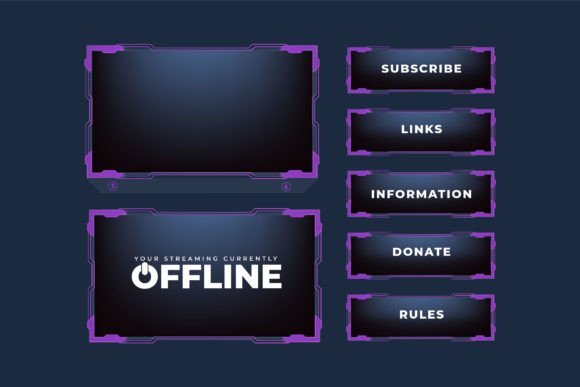
Modern Broadcast Overlay Border Design
Look at any polished live stream or gaming broadcast today and you will notice something immediately. The screen rarely stands bare. There is almost always a deliberate frame, a structured border that holds the action together. That frame is rarely an afterthought. It is a carefully composed modern broadcast overlay border design that does more than decorate. It organizes information, reinforces branding, and quietly shapes how viewers experience the content.
For streamers, content creators, educators running webinars, and even business presenters, these overlay frames have moved from optional accessories to essential visual tools. They create boundaries, direct attention, and give a broadcast that hard-to-define professional finish. When done well, the border feels like part of the environment rather than something tacked on top.
What Defines a Strong Overlay Border Frame
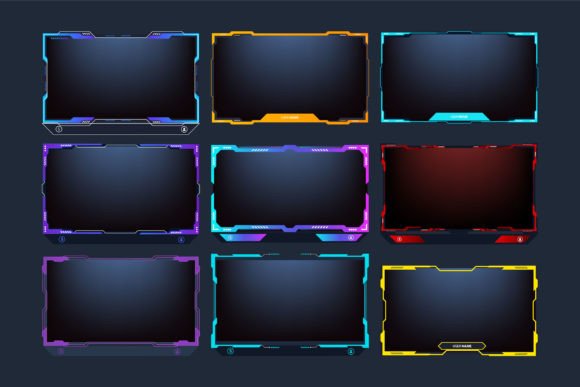
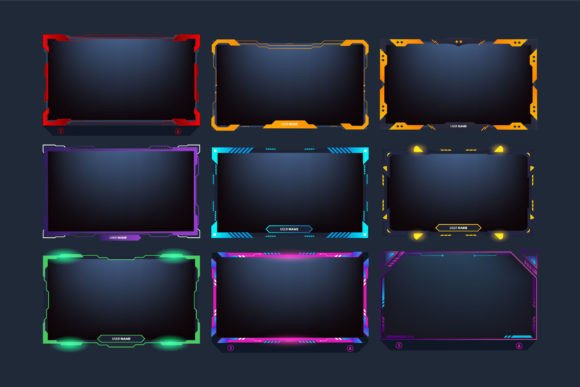
A modern broadcast overlay border design is not simply a rectangle with some glow effects. The best examples balance structure with visual personality. They frame the main content—whether that is a gameplay capture, a webcam feed, or a slide presentation—without competing with it. The border should support, not steal focus.
Several characteristics tend to appear in effective designs:
- Clean geometry with intentional breaks. Abstract shapes, angled cuts, and asymmetrical elements prevent the frame from feeling static or boxy.
- Layered depth. Subtle shadows, overlapping elements, and slight transparency variations give the overlay a dimensional feel on flat screens.
- Purposeful color usage. Deep purples, electric violets, and muted charcoal tones have become particularly popular in gaming and futuristic interfaces. These colors read well on camera, work across different lighting setups, and carry a technological undertone without being harsh.
- Integrated interaction points. Spaces for subscribe buttons, social handles, tip jars, and follower counts feel native to the design rather than slapped on.
- Scalable architecture. The best overlay frames adapt across different screen ratios and resolution settings without losing their integrity.
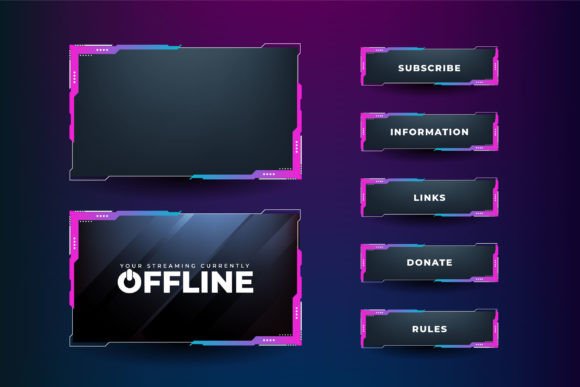
When someone invests in a futuristic gamer screen interface decoration with abstract shapes and purple colors, they are often looking for exactly this combination. The purple palette signals creativity and tech-savviness. The abstract geometry suggests forward-thinking energy. Together they communicate something about the broadcaster before a single word is spoken.
Why Creators Are Moving Beyond Basic Frames
There was a time when a simple webcam border was enough. That era has largely passed. Audiences now consume content across Twitch, YouTube Live, TikTok Live, Discord streams, and professional webinar platforms simultaneously. Each platform has its own visual language, but the expectation for quality remains consistent. Viewers associate polished visuals with credibility.
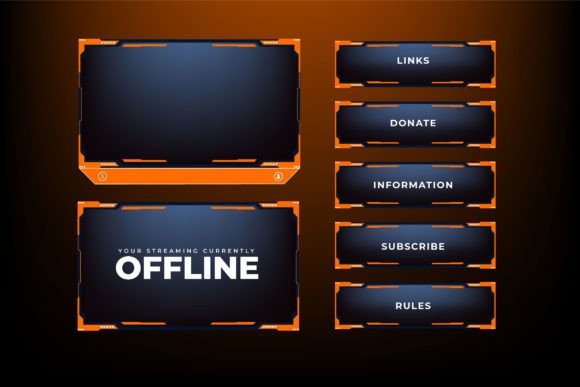
A thoughtfully selected modern live-streaming border frame design with subscribe buttons addresses several practical needs at once. It gives the stream a consistent identity. It clearly delineates different screen zones—gameplay here, face cam there, chat in that corner, alerts along the bottom. This spatial organization helps viewers process information faster. They know where to look and what to expect.
Beyond organization, these frames serve a subtle psychological function. They signal intentionality. A creator who invests in visual presentation is perceived as more serious, more committed, and often more professional. This perception can influence everything from subscriber conversions to sponsorship opportunities.
Where Overlay Borders Find Real-World Use
The applications extend further than many people initially assume. While gaming streams remain the most visible use case, the versatility of a special gaming overlay frame vector makes it valuable across several domains:
Live Streaming and Content Creation
This is the obvious home. Whether broadcasting competitive gameplay, casual play sessions, creative art streams, or music performances, the overlay frame sets the visual tone. A futuristic purple-themed border immediately communicates energy and modernity. Streamers often customize these frames further with their logo, schedule, current goals, and sponsor information.
Educational Webinars and Online Courses
Educators running live sessions benefit from structured screen layouts. An overlay border can frame the instructor's video feed while leaving dedicated space for slides, code demonstrations, or collaborative whiteboards. The visual separation reduces cognitive load for learners. They instinctively understand where the primary content lives and where supplementary information appears.
Corporate Presentations and Virtual Events
Business presenters increasingly adopt gaming-influenced design language for company updates, product launches, and virtual conferences. A clean overlay frame adds polish without feeling overly corporate or sterile. When adjusted with brand colors, the same structural template works for startups, agencies, and enterprise teams alike.
Digital Product Marketing and Demos
Marketers recording software walkthroughs, product demonstrations, or tutorial content can use overlay borders to frame key interface elements. The frame draws the eye and keeps viewers oriented. Adding subscribe prompts and call-to-action buttons within the border itself shortens the conversion path considerably.
Personal Projects and Creative Portfolios
Hobbyists and freelancers showcasing design work, video edits, or creative processes also benefit. An overlay frame becomes part of the visual brand, making portfolio streams and process videos feel cohesive. The frame quietly reinforces that the creator pays attention to detail.
The Practical Advantage of Vector-Based Overlay Files
One of the most important technical considerations when selecting an overlay design is the file format. Many free or low-cost overlays arrive only as raster images—PNGs or JPGs locked at specific resolutions. These work adequately until someone needs to scale the design for a different screen size, reposition elements, or change colors to match updated branding. Then the limitations surface quickly.
This is where vector formats change the workflow. A design delivered in vector and JPG format gives the user flexibility that raster-only files simply cannot match. Vector files built in applications like Adobe Illustrator allow for infinite scaling without quality loss. They also enable deep customization. A creator can adjust colors, move subscribe button placements, resize individual elements, or combine components from multiple designs into a single cohesive frame.
For someone building a consistent broadcast presence over months and years, that editability matters. Branding evolves. Platform requirements shift. A vector-based modern broadcast overlay border design adapts along with those changes, making it a more sustainable investment than a static PNG that will need replacement at the first rebrand.
Working with Overlay Design Files Efficiently
Receiving a compressed ZIP file containing the design assets is standard practice across digital product marketplaces. The files are compressed to reduce download size and organize multiple formats neatly. Extracting them requires any common archive tool—WinZIP, WinRAR, or the built-in extraction utilities on modern operating systems. A simple double-click and extract workflow typically suffices.
Once extracted, the vector file can be opened and modified in Adobe Illustrator or comparable vector editing software. The JPG version serves as a quick reference or an immediate-use file for those who do not need customization. Having both formats in one package covers different skill levels and use cases without requiring everyone to learn vector editing.
What to Look for When Choosing an Overlay Border
Not all overlay designs deliver equal results. A few practical evaluation points help separate strong designs from weak ones:
- Composition balance. Does the frame leave adequate breathing room for the main content? Ornament overload quickly distracts viewers.
- Color compatibility. Purple-heavy futuristic palettes work beautifully for many gaming and tech contexts, but the design should still accommodate brand color adjustments if needed.
- Element placement logic. Subscribe buttons, social handles, and alert zones should feel integrated, not hastily positioned. The layout should make visual sense.
- File integrity. Vector files should open cleanly with organized layers and labeled elements. A well-structured file speeds up customization significantly.
- Resolution independence. The design should hold up at 1080p, 1440p, and 4K without pixelation or artifacts.
Making the Overlay Work Across Different Platforms
Each streaming or broadcasting platform handles overlays slightly differently. OBS Studio, Streamlabs, and similar broadcasting software allow layered scene compositions where the overlay border sits as a top layer above gameplay or camera sources. Positioning and scaling controls within these tools make it straightforward to align everything precisely.
For platforms like Zoom or Microsoft Teams used in professional contexts, overlay borders can sometimes be applied through virtual camera software that composites the frame around the user's video feed before sending it to the meeting. This approach brings gaming-quality production values into business environments without requiring the entire audience to use specialized viewing software.
The key is testing. What looks balanced in a design file may need slight repositioning when live content fills the frame. Spending a few minutes adjusting placement before going live prevents awkward cropping or overlapping during the actual broadcast.
Why Attention to Visual Framing Pays Off
Broadcasting today is crowded. Discoverability remains a persistent challenge across every platform. The creators who stand out often share a few traits—consistent output, engaging personality, and a visual presentation that signals quality from the first second of viewing. The overlay frame sits at the intersection of first impressions and sustained viewer experience.
A modern broadcast overlay border design communicates professionalism before the host speaks. It tells potential viewers that the content is organized, intentional, and worth their time. In an environment where people decide whether to stay or scroll within seconds, that instant visual signal carries measurable weight.
For those building their broadcast toolkit, starting with a flexible, well-constructed overlay design removes one significant variable from the production equation. It provides a reliable visual foundation that can evolve alongside the content itself. And when the design comes in an editable vector format, that foundation remains usable far longer than any single static asset ever could.